This post contains affiliate links. As an Amazon Associate, Car Stereo Outlet Houston earns from qualifying purchases, at no extra cost to you.
Crackling wires, tangled aux cords, clunky adapters, those days are over. If you’re still fumbling with outdated setups, it’s time to upgrade to Bluetooth car audio systems. These aren’t just gadgets; they’re game-changers for every commute, road trip, or late-night drive with your favorite playlist.
Let’s be clear: Bluetooth audio in cars isn’t just about convenience anymore. It’s about safety. It’s about quality. And most of all, it’s about creating a seamless experience where your car becomes a true extension of your digital life.
So buckle up. We’re diving deep into the world of Bluetooth car audio systems, what they are, why they matter, and how to choose the right one without getting ripped off or overwhelmed.
What Is a Bluetooth Car Audio System, Really?
Let’s start simple.
A Bluetooth car audio system allows your phone to wirelessly connect to your vehicle’s stereo. That’s it. But this small shift unlocks big benefits. Want to stream Spotify without lifting a finger? Take hands-free calls while staying laser-focused on the road? Or let passengers queue songs from the backseat? Bluetooth makes it all possible, no cords, no drama.
Now, here’s where it gets interesting. There are multiple types of Bluetooth car audio systems. Understanding the options will save you money, time, and frustration.
The Three Types of Bluetooth Car Audio Setups
1. Factory-Installed Systems
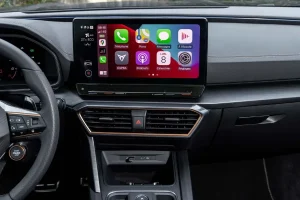
These come built into newer vehicles. Think Teslas, BMWs, Fords, you name it. They’re sleek, intuitive, and deeply integrated with your car’s infotainment.
Pros:
- Seamless interface
- Built-in microphones
- Excellent sound routing
Cons:
- Can’t upgrade easily
- Locked into manufacturer limitations
If your car already has this, you’re golden. But if not, don’t worry, we’re just getting started.
2. Bluetooth Car Stereos (Aftermarket Head Units)
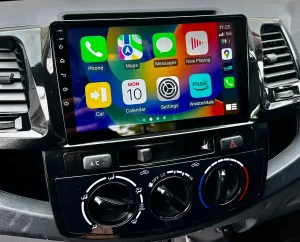
These replace your old stereo entirely. Brands like Pioneer, Kenwood, and Sony offer modern head units with full Bluetooth functionality.
Pros:
- Clean look
- Full control over music and calls
- Support for multiple devices
Cons:
- Requires installation
- Can get pricey
That said, if you’re serious about sound and functionality, this is the route many pros recommend. The sound quality? Night and day compared to a cheap workaround.
3. Bluetooth Adapters and FM Transmitters
These plug into your car’s aux port or connect through an FM signal.
Pros:
- Affordable
- Easy to install
- Great for older cars
Cons:
- Lower sound quality
- Possible interference
- Not always reliable for calls
But don’t write these off. For under $30, you can give any car a taste of wireless freedom.
Why Bluetooth Car Audio Systems Matter
Let’s talk real-world benefits.
Hands-Free Calling
Distracted driving is no joke. With a Bluetooth system, you can take calls, dictate texts, and stay connected without touching your phone.
Instant Music Access
Apple Music, Tidal, YouTube Music, your favorite soundtracks are only a tap away. No switching cables or worrying about compatibility.
Multi-Device Pairing
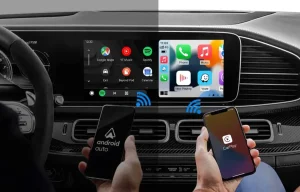
Today’s best Bluetooth systems allow two or more devices at once. So you and your passenger can take turns DJing like it’s 1999. Only better.
Wireless Freedom
Your car becomes a smarter, cleaner space. No more tangled cords or rummaging for aux cables. It just works.
Must-Have Features in Modern Bluetooth Car Audio Systems
So what should you look for? Not all Bluetooth systems are created equal. Here are the features that actually matter:
✅ Dual Phone Connectivity
Allows two phones to stay connected at the same time, perfect for shared rides or business calls.
✅ Noise-Canceling Microphones
Clear calls, even with the windows down. Especially critical for hands-free communication.
✅ High-Quality Audio Codecs
Look for support for aptX, AAC, or LDAC. These ensure your audio isn’t just good, it’s great.
✅ Voice Control Compatibility
Support for Siri, Google Assistant, or Alexa makes interaction smoother and safer.
✅ USB Charging Ports
Sounds small, but being able to charge while connected is crucial for long drives.
✅ Automatic Reconnection
This feature ensures your device pairs instantly every time you start the car. No extra tapping or fiddling required.
Sound Quality: How Good Is It, Really?
This is where Bluetooth systems often get a bad rap. And yes, a decade ago, the audio quality was… rough. But not anymore.
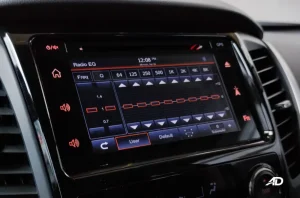
Today’s Bluetooth car audio systems support lossless streaming, deep bass, crisp mids, and surprisingly rich highs. If you invest in a quality head unit or transmitter with aptX support, you’ll notice the difference immediately.
Pro tip: Match your Bluetooth system with decent car speakers. Even a good system will sound muddy on cheap speakers.
How to Upgrade: Step-by-Step Plan
Want to make the switch? Here’s how:
Step 1: Assess Your Vehicle
- Is your stereo removable?
- Does it have an aux or USB port?
- Do you want to preserve the original factory look?
Knowing these answers narrows your choices fast.
Step 2: Set a Budget
- Under $50: Stick with adapters or transmitters.
- $100–300: Explore aftermarket stereos with Bluetooth.
- $500+: Go premium with touchscreen displays, backup cameras, and full smartphone integration.
Step 3: Choose the Right Product
Look for trusted brands:
- Pioneer
- Kenwood
- Sony
- Anker (for adapters)
- JVC
Compare online reviews. Watch unboxings. Look at Reddit or car audio forums. Don’t just trust the Amazon stars.
Step 4: Install It Right
If you’re replacing the head unit, professional installation is often worth it. It ensures:
- Proper wiring
- Safe mounting
- Optimal sound settings
Adapters and transmitters? You can do those in 5 minutes flat.
Common Pitfalls (and How to Avoid Them)
- Interference from radio stations: Use channels far from local FM traffic.
- Low volume issues: Adjust both your phone and stereo output settings.
- Poor mic quality: Invest in systems with external mics or echo cancellation.
- Connection dropouts: Keep your device’s Bluetooth firmware updated.
Bluetooth isn’t flawless, but with the right setup, it’s pretty close.
Final Thoughts: Why Now Is the Time to Upgrade
You spend hours behind the wheel. Whether you’re commuting, road-tripping, or just stuck in traffic, audio makes the experience better. Bluetooth car audio systems are no longer a luxury, they’re a modern-day necessity.
They’re affordable. Easy to install. And they’ll change the way you drive.
So, ditch the tangled cords. Say goodbye to static. And take control of your in-car sound.
I’ve tested everything from budget transmitters to premium head units, and trust me, the upgrade is worth every penny.
Ready to make your car smarter, safer, and a lot more fun?
FAQs
A Bluetooth car audio system lets your phone wirelessly connect to your car’s stereo for music, calls, and more. It eliminates the need for cords while providing a cleaner and safer driving experience.
It depends on the type. Adapters and FM transmitters are plug-and-play, while aftermarket stereos usually require professional installation for the best results.
Not anymore. Modern systems with high-quality codecs like aptX or AAC can deliver rich, clear audio that rivals wired connections—especially when paired with good speakers.
Yes, many modern systems support dual phone connectivity, letting two devices stay paired simultaneously for music and calls.
Absolutely. An inexpensive adapter or FM transmitter can add Bluetooth capability to virtually any vehicle, even those without a factory aux port.
Basic adapters start under $30, while quality aftermarket head units range from $100 to $300. Premium touchscreen systems can go beyond $500.
Focus on noise-canceling microphones, high-quality audio codecs, voice assistant compatibility, automatic reconnection, and USB charging ports for convenience and performance.