This post contains affiliate links. As an Amazon Associate, Car Stereo Outlet Houston earns from qualifying purchases, at no extra cost to you.
Step into any modern vehicle and one of the first things you’ll notice is the seamless integration of technology. Gone are the days of tangled cords and clunky adapters. Today, wireless audio in cars is not just a feature, it’s quickly becoming the standard. Drivers and passengers want freedom, clean dashboards, and uninterrupted sound quality. And car manufacturers are delivering.
But what does that really mean for you, whether you’re a daily commuter, a rideshare driver, or someone who simply loves road trips? Let’s dive into the details and unpack the growing world of wireless audio, exploring how it works, the options available, and how you can make the most out of it.
Why Wireless Audio Matters More Than Ever
Let’s start with the obvious: convenience. Wires get in the way. They wear out. They limit where you can place your device. Wireless technology eliminates that friction. It makes getting into your car and hitting play a two-second process instead of a two-minute battle with a charging cable.
But there’s more to it than ease. Wireless audio has real implications for safety, entertainment, and even vehicle value. Imagine answering a call without fumbling around or switching playlists without leaning across the console. That’s not just convenient, it reduces distractions, which matters when you’re driving at highway speeds.
And then there’s resale. Cars with modern infotainment systems, especially those that support wireless audio, fetch more on the used market. Buyers expect it. If your car has it, that’s one less reason for someone to negotiate the price down.
How Wireless Audio in Cars Works
At its core, wireless audio relies on short-range communication technologies. The most common methods include:
- Bluetooth
This is the standard for most vehicles. Nearly every new car supports Bluetooth audio streaming. It pairs your phone to your infotainment system and lets you play music, take calls, and in some cases, use apps like navigation, all without plugging in. - Wi-Fi Direct
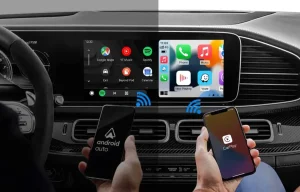
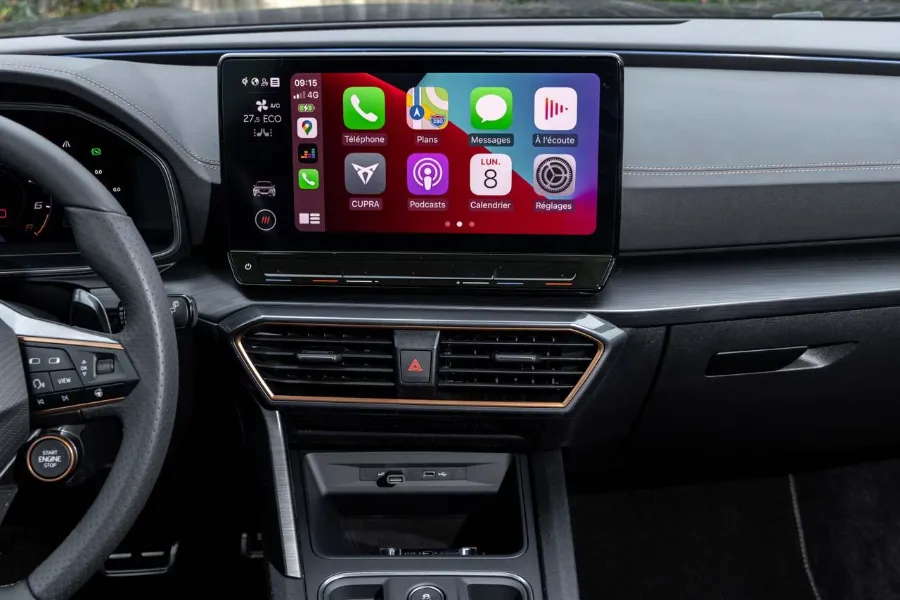
A step above Bluetooth, Wi-Fi Direct supports higher data transfer rates. This means better audio quality with less compression. Wireless Apple CarPlay and Android Auto often use Wi-Fi Direct to maintain crisp, reliable connections. - Proprietary Systems
Some automakers develop their own wireless audio technologies. Think of Tesla’s seamless phone pairing or BMW’s advanced infotainment integrations. These systems often feel smoother because they’re designed specifically for the car’s hardware and software.
The takeaway? Not all wireless audio systems are the same. Understanding the tech inside your car helps you decide which features are worth paying for and which might frustrate you in the long run.
Benefits That Go Beyond Music
When people think of wireless audio in cars, music usually comes to mind first. But the reality is much bigger:
- Calls Without Chaos: You can take business calls hands-free with crisp audio on both ends. No more speakerphone shouting matches.
- Navigation That Talks to You: GPS directions play right through your car’s speakers. Clear, audible instructions mean fewer missed turns.
- Streaming Podcasts and Audiobooks: Long commutes transform into productive listening sessions. You can jump between Spotify, Audible, or Apple Podcasts without skipping a beat.
- Passenger Control: Many systems let passengers connect too, so sharing DJ duties becomes part of the fun.
And here’s something overlooked: wireless systems often update through software. That means you don’t need a brand-new car to enjoy new features. Updates can improve audio quality, add new compatibility, or even enhance voice control.
The Downsides You Shouldn’t Ignore
Of course, no technology is perfect. Wireless audio comes with its challenges. Knowing them upfront helps you set realistic expectations and avoid disappointment.
- Connection Drops: Bluetooth, especially older versions, can randomly disconnect. That mid-call silence is frustrating.
- Audio Compression: Bluetooth compresses data. Audiophiles might notice a difference in sound quality compared to wired connections.
- Battery Drain: Both your car and phone work harder to maintain wireless connections. That means more frequent charging.
- Compatibility Issues: Not every phone pairs flawlessly with every car. Older devices may struggle, or certain features may not work.
The solution? Look into your specific car model’s wireless system before relying on it as your primary audio source. Test it out with your device, and if sound quality matters most, consider whether wired options are still worth using occasionally.
How to Maximize Wireless Audio in Your Car
If you want to get the most out of wireless audio in cars, you’ll need more than just a pairing screen. Here’s a breakdown of actionable strategies:
1. Keep Software Updated
Manufacturers regularly release updates that improve stability, fix bugs, and add features. This applies to both your car’s infotainment system and your phone. Schedule those updates. They make a real difference.
2. Use Higher-Quality Codecs
If your car and phone support advanced codecs like aptX, AAC, or LDAC, enable them. They provide better audio quality than standard SBC Bluetooth streaming. This simple setting change can instantly upgrade your sound.
3. Invest in a Good Phone Mount
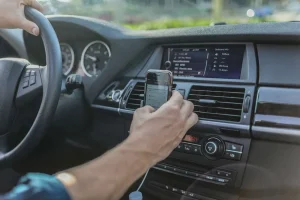
Wireless audio means you’re not tethered to your console. But keeping your phone accessible still matters for navigation and quick controls. A sturdy mount reduces the temptation to reach around dangerously while driving.
4. Manage Connections
If multiple devices pair to your car, choose one as the primary audio source. Too many connections at once can confuse the system. Keep it simple to avoid mid-drive interruptions.
5. Optimize for Battery Life
Wireless streaming consumes power. Keep a charger handy or invest in wireless charging pads if your car supports them. That way, your phone won’t die halfway through a long trip.
Wireless Audio Retrofits: Don’t Have It? Add It!
Not every car comes equipped with modern wireless systems. But that doesn’t mean you’re stuck with CDs and auxiliary cables. Aftermarket solutions exist.
- Bluetooth Adapters: Plug into your car’s AUX port and instantly add wireless streaming. Inexpensive, easy, and effective.
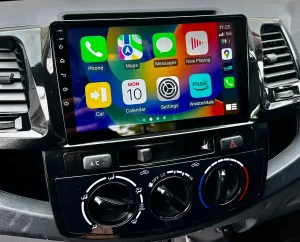
- Aftermarket Head Units: Replace your car’s stereo with a modern infotainment system that supports wireless Apple CarPlay or Android Auto.
- FM Transmitters: Less common now, but still an option. These devices broadcast your phone’s audio over an FM frequency that your car radio can pick up.
While aftermarket options may not feel as polished as factory systems, they’re a cost-effective way to modernize an older car.
Looking Ahead: The Future of Wireless Audio in Cars
Wireless audio is evolving fast. The future promises even tighter integration between cars and personal devices. Here’s what’s on the horizon:
- Lossless Audio Streaming: Higher bandwidth wireless protocols could make true lossless music possible, bringing studio-quality sound to your daily commute.
- Smarter Voice Assistants: Integration with Siri, Google Assistant, and Alexa will grow, making voice commands more reliable and reducing the need to touch screens altogether.
- Predictive Audio Systems: Imagine your car automatically switching to a podcast during your commute or resuming your audiobook where you left off at home. That’s coming sooner than you think.
- Vehicle-to-Device Ecosystems: Automakers are working on ecosystems where your car communicates with your home audio systems, wearables, and even smart TVs, creating a unified sound experience across your entire life.
Final Thoughts
Wireless audio in cars isn’t just a perk, it’s transforming the driving experience. It offers convenience, boosts safety, and adds modern value to vehicles. But like any technology, it works best when you know how to use it properly. By understanding the tech, weighing the pros and cons, and taking advantage of both factory and aftermarket solutions, you can elevate every drive.
The road ahead? More seamless, more connected, and definitely more wireless. Buckle up, hit play, and enjoy the ride!