
This post contains affiliate links. As an Amazon Associate, Car Stereo Outlet Houston earns from qualifying purchases, at no extra cost to you.
Your car deserves more than static-ridden FM radio or muddy, muffled bass. Whether you’re commuting to work, taking a road trip, or simply sitting in traffic, your sound system defines your drive. That’s where this car audio guide comes in. It’s time to break free from average. No fluff, no vague suggestions, just real advice you can actually use.
Let’s build your dream sound system. Piece by piece. Decision by decision.
Start With the Goal, Not the Gear
Before you start buying shiny new components, pause. Ask yourself, what do you want out of your car audio setup?
- Crystal-clear vocals for podcasts and audiobooks?
- Ground-shaking bass that you feel in your chest?
- Balanced, theater-quality audio for all music genres?
This step is essential. It determines everything from what type of speakers to get, to how you’ll tune your system.
Head Unit: The Brain of Your System
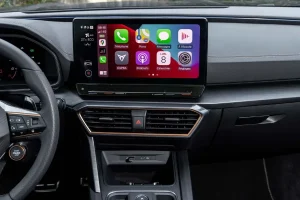
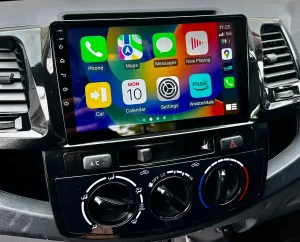
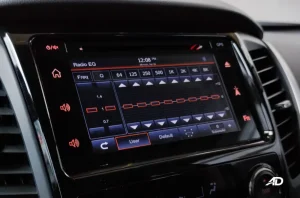
Think of the head unit (also called the receiver or stereo) as your command center. Modern units are more than just CD players with knobs, they’re Bluetooth hubs, EQ controllers, and sometimes full-blown touchscreens with Android Auto or Apple CarPlay.
What to look for:
- Connectivity: Bluetooth, USB ports, AUX inputs, wireless Apple CarPlay/Android Auto.
- Sound customization: Built-in EQ settings, subwoofer control, crossover settings.
- Expandability: Preamp outputs for external amps, camera input, DSP compatibility.
Pro Tip: If you’re not planning on replacing your head unit, make sure your factory stereo has RCA outputs or consider a line output converter. More on that later.
Speakers: Where Sound Meets Soul
Factory speakers are designed to be “just good enough.” But let’s be honest, they usually aren’t. Upgrading them can instantly elevate your audio experience.
Coaxial vs. Component Speakers:
- Coaxial (full-range): Easy to install, combines woofer and tweeter in one. Good for quick upgrades.
- Component: Separate tweeters and woofers. Requires more effort, but offers superior clarity and imaging.
Material matters: Look for polypropylene or carbon-injected cones for durability and balanced tone. Silk or textile dome tweeters offer smooth highs, while metal tweeters give you brighter, punchier treble.
Pro Tip: Match speaker sensitivity with your head unit or amp power. Low-powered systems do better with high-sensitivity speakers (90dB or higher).
Amplifiers: Power, Clarity, Control
Let’s bust a myth, amplifiers aren’t just for bass lovers. They help any system shine by delivering clean, distortion-free sound, especially at higher volumes.
How many channels do you need?
- 2-channel: Powering a pair of speakers or a single sub.
- 4-channel: Great for front and rear speakers.
- 5-channel or more: Speakers and subwoofer in one package.
Power ratings matter: Look for RMS power (not peak). Match amp output to your speaker’s RMS handling. Overpowering slightly is safer than underpowering.
Installation tip: Use high-quality power and ground cables, and don’t skimp on fuses. A bad connection can wreck your gear, or worse, cause a fire.
Subwoofers: Feel the Low End
Want your music to breathe? To pulse? To thump in your chest? You’ll need a subwoofer.
But size does matter.
- 8” – Tight and punchy, great for rock or country.
- 10” – Balanced bass for most genres.
- 12” – Deep, booming bass. Hip-hop, EDM lovers rejoice.
- 15” – Earth-rattling. Overkill? Maybe. Fun? Definitely.
Enclosure type also plays a huge role:
- Sealed boxes – Tight, accurate bass.
- Ported boxes – Louder, boomier bass with more output.
- Bandpass boxes – Tuned for maximum SPL, less musical detail.
Tuning tip: Don’t just max out the gain. Tune the subwoofer gain with a test tone and voltmeter (or an SPL meter if you’re serious). That’s how the pros do it.
Wiring and Sound Deadening: The Unsung Heroes
Even the best gear can sound awful if installed poorly.
Cables: Use oxygen-free copper (OFC) wires, not the cheaper CCA stuff. It handles current better and lasts longer.
Speaker wire gauge:
- 18-gauge for short runs.
- 14–16 gauge for door speakers.
- 12-gauge for subwoofers.
RCA cables: Choose shielded, twisted-pair cables to avoid noise and interference.
And don’t ignore sound deadening. Apply butyl rubber-based damping material (like Dynamat or Kilmat) to door panels, trunk floors, and wheel wells. It reduces road noise, improves speaker response, and makes your car feel like a rolling studio.
DSP (Digital Signal Processor): The Secret Weapon
Want professional-level sound? A DSP is your cheat code.
These processors shape the sound to fit your vehicle’s unique acoustics. That means better imaging, time alignment, and EQ correction, even in oddly shaped interiors.
Some models include auto-calibration with microphones. Others allow tuning via smartphone apps. Either way, it’s a massive step up from even the best head unit EQ.
Quick gain: Don’t underestimate this tool. It’s the difference between “pretty good” and “jaw-dropping.”
Installation: DIY vs. Professional
Let’s be real. Installing an entire audio system isn’t plug-and-play.
Go DIY if:
- You’re comfortable using a multimeter and wire strippers.
- You understand car panels, power distribution, and ohm loads.
- You’re okay with troubleshooting electrical gremlins.
Hire a pro if:
- You want zero hassle.
- Your car has a factory-integrated system or CAN bus controls.
- You’re investing serious money in high-end gear and don’t want to risk mistakes.
Bonus: Many reputable shops offer tuning services that dial in your system far beyond what a basic install provides.
Tuning: Where It All Comes Together
You’ve got the gear. It’s installed. Now, make it sing.
Basic tuning checklist:
- Set crossover points:
- High-pass filters for door speakers (80–100Hz).
- Low-pass for subwoofers (usually 80Hz).
- High-pass filters for door speakers (80–100Hz).
- Adjust gain levels to prevent distortion. Use test tones (like 1kHz for speakers, 50Hz for subs).
- Use EQ to flatten peaks and bring out hidden details.
- Time alignment (if available): Delay closer speakers so everything hits your ears simultaneously.
Pro Tip: Don’t rely on your ears after a long tuning session, they get fatigued. Come back after a break and fine-tune again.
Car Audio Myths, Busted
- “More watts = better sound.” Not always. Quality trumps quantity.
- “Bigger subs = better bass.” Not in a poorly tuned box.
- “Factory systems are impossible to upgrade.” Not true, use interface modules or line output converters.
- “It’s all about the bass.” Nope. Balance matters more than boom.
Final Thoughts: Your System, Your Rules
This car audio guide isn’t about making you buy the biggest, flashiest gear. It’s about helping you make smart, informed choices, based on your preferences, your car, and your budget.
You don’t need to spend thousands. But you do need a plan. Start small: upgrade your front speakers and add an amp. Or go big from day one, sub, DSP, sound deadening, the works.
Whatever route you take, own it.
Music has the power to transform your drive. Don’t settle for average when you can create something extraordinary. And when that bass hits just right as the sun sets on the highway, you’ll know it was worth it.
Ready to build your dream system? This car audio guide is your blueprint.
Let the sound journey begin.
Want More?
Stay tuned for our follow-up deep dives into speaker tuning, amplifier reviews, and DSP programming tips. You’ll go from “installing” to “mastering” your car audio system in no time.
FAQs
Start with your speakers. They directly affect sound clarity and quality and offer the biggest improvement over factory setups, even without a new head unit or amplifier.
Yes—especially if you want louder, cleaner sound. An external amp provides more power and clarity than a built-in head unit amp, even for door speakers.
It depends on your music preference and space. 10″ subs are a versatile middle ground, while 12″ offers deeper bass. Smaller vehicles might benefit from compact 8″ subs in sealed boxes.
Absolutely. It reduces road noise and improves speaker performance by preventing vibration and echo in your doors and panels.
Yes, with the right interface adapter. Many aftermarket solutions let you retain factory features like steering wheel buttons and backup cameras.
RMS is the continuous power a component can handle, while peak is the maximum it can take in short bursts. Always match equipment based on RMS ratings for safety and performance.
If you’re unfamiliar with wiring, panel removal, or tuning, a professional install is a smart move. It ensures safety, avoids damage, and often comes with warranties or tune-up support.