
This post contains affiliate links. As an Amazon Associate, Car Stereo Outlet Houston earns from qualifying purchases, at no extra cost to you.
There’s something almost magical about the music and car travel connection. The moment you start the engine and your favorite song comes on, the drive changes. Your mood shifts. The road feels different. Whether it’s a cross-country road trip or a 15-minute commute, music transforms car travel from a routine task into an experience. But this isn’t just an emotional phenomenon, it’s deeply rooted in psychology, culture, and even neuroscience. And if you understand how to use it, you can turn every drive into something memorable.
Why Music and Driving Are Inseparable
Driving is more than just moving from Point A to Point B. It’s a blend of visual, physical, and emotional experiences. Music adds a powerful emotional layer, one that can influence your focus, energy, and even your perception of time.
I’ve found that when I’m cruising through open highways with upbeat tracks, I feel lighter, more in tune with the moment. On the other hand, when I’m stuck in city traffic, a mellow playlist can keep my patience intact. Science agrees, studies show music can alter mood, regulate heart rate, and even impact driving performance.
It’s not random. It’s about pairing the right soundtrack with the right road moment.
The Science Behind the Music and Car Travel Connection
Music stimulates the brain’s limbic system, the part that processes emotions and memories. Pair that with the repetitive motion of driving, and you create a mental state that’s uniquely receptive to rhythm and melody.
- Dopamine Release – Listening to music you enjoy triggers dopamine production, giving you a hit of pleasure and making driving feel less like a chore.
- Time Perception Shift – Ever notice how a long drive feels shorter when you’re lost in a great playlist? That’s because music can make your brain process time differently.
- Memory Anchoring – Certain songs stick to specific trips in your memory. Hear them again later, and suddenly you’re back on that road with the windows down.
Understanding this means you can curate your drives intentionally, instead of just hitting “shuffle” and hoping for the best.
Matching Music to Driving Environments
The road dictates the rhythm, and your playlist should respond. Here’s how I recommend aligning the two:
1. City Driving – Focused but Calm
In heavy traffic or stop-and-go conditions, high-energy tracks can make you impatient. Instead, go for smooth, mid-tempo songs that help you keep calm without lulling you to sleep. Think acoustic pop, R&B, or soft rock.
2. Open Highway – Expansive and Upbeat
For long stretches with minimal stops, upbeat tracks with steady tempos keep you alert while enhancing the feeling of freedom. Rock classics, indie pop, and electronic beats work well.
3. Night Drives – Atmospheric and Moody
Low-light environments pair beautifully with ambient, chillwave, or lo-fi beats. They create a cinematic feel without distracting from the road.
4. Road Trips with Friends – Collaborative and Fun
Mix genres. Rotate DJ duties. Add sing-along tracks to keep the group engaged and energized.
When you consciously choose music to fit the road, you create harmony between your environment and your emotional state.
How to Build the Perfect Driving Playlist
A good driving playlist isn’t just a random collection of songs, it’s a carefully balanced setlist designed to keep you engaged, alert, and emotionally connected to the journey.
Step 1: Start with a “Warm-Up” Song
Choose a track that instantly boosts your mood as soon as you start the car. This sets the tone for the drive.
Step 2: Build Energy Gradually
Don’t blow all your high-energy tracks in the first 15 minutes. Start mid-tempo, then build to more upbeat tracks for peak moments.
Step 3: Add Variety
Even the best songs lose impact if they’re too similar. Mix genres, tempos, and decades to keep your brain engaged.
Step 4: End with a “Cool-Down”
Choose a closing track that signals you’re approaching your destination, something reflective or calm. It helps your brain transition out of “driving mode.”
The Emotional Layer: Music as a Driving Companion
One of the most powerful aspects of the music and car travel connection is how it creates emotional narratives. You’re not just listening, you’re living inside a soundtrack.
- Stress Relief – After a hard day, the right track can help you release tension before you get home.
- Motivation – If you’re heading to an important meeting or event, upbeat and confident music can set the right mindset.
- Reflection – On solo drives, slower, more contemplative music can help you process thoughts and emotions.
In many ways, music is your co-pilot. It won’t steer the wheel, but it shapes the emotional route you take.
Technology Has Changed the Game
Years ago, your choices were limited to the radio or a stack of CDs. Today, streaming platforms, Bluetooth connectivity, and car audio upgrades have given us unprecedented control over our in-car soundscape.
Advanced Audio Systems
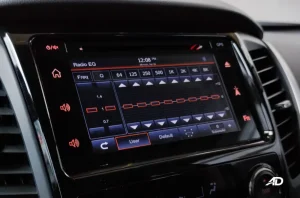
Premium car stereos now offer surround sound, noise cancellation, and customizable equalizer settings. This means you can tailor the sound to your exact taste, deep bass for hip-hop, crisp highs for acoustic, or balanced tones for classical.
Voice Commands and Smart Assistants
No more fumbling with your phone. Voice commands let you change songs, adjust volume, or switch playlists without taking your hands off the wheel.
Personalized Playlists
Streaming platforms learn your taste over time, recommending songs based on driving patterns, time of day, and even weather conditions.
By embracing tech, you can fine-tune every sonic detail of your drive.
Actionable Tips to Enhance Your Music and Car Travel Experience
Here’s where it gets practical, small changes that can elevate your drive instantly.
- Invest in Quality Audio – Even budget-friendly speaker upgrades can make a huge difference in clarity and depth.
- Pre-Download Playlists – Avoid streaming interruptions in areas with poor signal.
- Keep a “Mood-Based” Playlist Library – Have separate playlists for calm drives, energetic trips, and reflective moments.
- Avoid Overly Distracting Tracks – Skip songs with sudden loud noises or abrupt tempo changes when driving in high-focus conditions.
- Rotate Your Playlists – Fresh tracks keep your brain engaged and prevent audio fatigue.
Cultural and Generational Differences in Driving Music
Interestingly, the music and car travel connection looks different across cultures and generations.
- In the U.S., classic rock and country dominate long drives.
- In Europe, electronic and house music are popular for night drives.
- Younger drivers tend to gravitate toward pop, hip-hop, and indie, while older generations may prefer jazz, soul, or classic ballads.
Understanding these patterns can make shared road trips smoother, blend multiple preferences into one playlist so everyone feels included.
The Safety Factor: Music and Driving Performance
While music can enhance the driving experience, it’s worth noting that not all tracks are safe for all situations. Loud, fast-tempo songs can encourage aggressive driving, while overly slow or relaxing music might reduce alertness.
- Volume Matters – Keep it at a level where you can still hear sirens, horns, and road noise.
- Avoid Constant Tempo Changes – They can unconsciously influence your speed.
- Stay Aware – Music should complement your driving, not dominate your attention.
Think of it as seasoning. The right amount enhances the dish. Too much can ruin it.
Why the Connection Feels Timeless
The bond between music and driving isn’t just about technology or taste, it’s about the feeling of freedom. There’s an unspoken truth that when the right song plays at the right moment, you’re not just traveling. You’re experiencing.
That’s why people remember not just where they were going, but what was playing when they got there.
Closing Thoughts
The music and car travel connection is one of those rare human experiences that blends emotion, memory, and movement into something bigger than the sum of its parts. Whether you’re fine-tuning your in-car audio setup, curating the perfect playlist, or simply letting the radio surprise you, music has the power to make every mile matter.
Next time you turn the key, don’t just drive. Soundtrack it. You might find that the journey becomes just as important as the destination.
FAQs
It’s the relationship between music and the driving experience, where sound influences mood, focus, and enjoyment on the road. The right music can make drives feel shorter, calmer, or more energizing depending on the playlist.
Yes, in the right context. Calming or steady-tempo music can reduce stress and help you maintain focus, but overly loud or fast-paced tracks might encourage risky driving behavior.
Upbeat yet steady-tempo music works best for long stretches of driving. It keeps you alert while maintaining a sense of rhythm with the road.
Start with a mood-setting opener, build energy gradually, mix genres for variety, and end with a cool-down track. This structure keeps you engaged without overwhelming your senses.
Yes. In stop-and-go traffic, mellow mid-tempo songs can help maintain patience and prevent frustration, while avoiding overstimulation.
Keeping music at a moderate volume is safer because it allows you to hear sirens, horns, and road noise. High volumes can mask important auditory cues on the road.
Modern streaming services, Bluetooth, and advanced car audio systems have made it easier than ever to customize your driving soundtrack. You can now adapt music to mood, location, and even weather conditions.